
Hydrogen Mobility
Sustainable Transport – Hydrogen Mobility
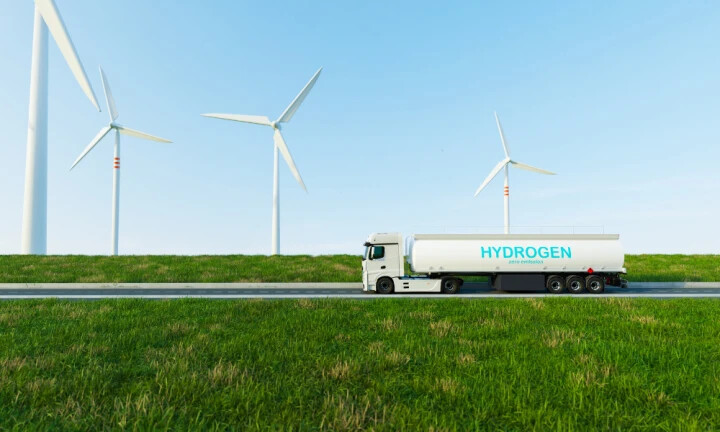
Hydrogen mobility uses fuel cells to generate electricity from hydrogen directly in the vehicle. The technology is especially suitable for longer routes, higher power demands or public transport where quick refuelling is required. Hydrogen vehicles emit only water vapour and run quietly. The key factors are the availability of refuelling stations and emission-free hydrogen production. The technology requires robust infrastructure, and at present it is used mainly in pilot projects.
The innovation responds to the megatrends of transport decarbonisation, innovation in alternative fuels and the development of the hydrogen economy. It supports EU and Czech goals for clean mobility, the Fit for 55 package and the emerging hydrogen corridors.
A solution suited to fleet use
The technology includes fuel cells, pressurised H₂ tanks (350–700 bar), a powertrain control system and hydrogen refuelling stations. The key is to produce green hydrogen, which is hydrogen made by electrolysis using renewable energy. Subsidy programmes cannot fund infrastructure or vehicles that use grey hydrogen (for example, hydrogen produced as an industrial by-product), even though it is technically usable.
Vehicles have a range of 400–700 km on a single fill, and refuelling takes 3–5 minutes. They are suitable for fleet use (buses, refuse collection vehicles and freight transport) and can operate at low temperatures. Hydrogen’s energy density allows longer operation without breaks, but the system requires good technical facilities and specialist servicing.
Limitations of the Innovation
The Olomouc Region does not yet have the necessary infrastructure (refuelling stations, H₂ distribution or certified servicing). There is no unified legislation to support the production and distribution of green hydrogen. High purchase and operating costs, the limited availability of vehicles and unclear subsidy rules are major barriers. For now, the technology is best recommended for pilot projects.
Prepared by ICOK, 2025