
Building Digital Twin
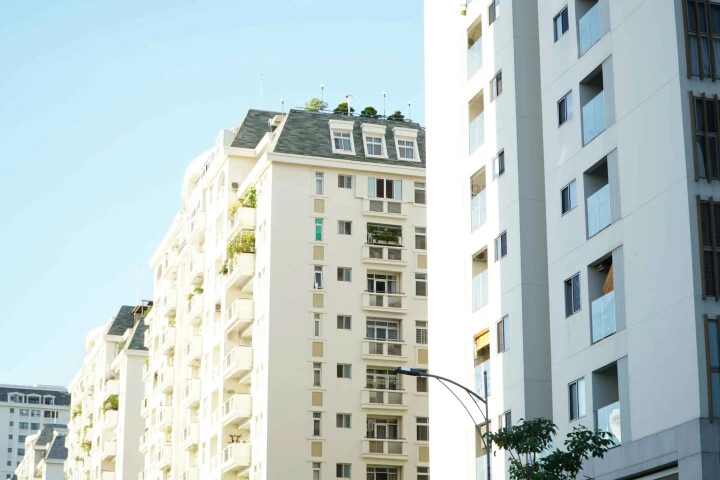
A digital twin of a building is a data-accurate virtual model of a real building, used to simulate, manage and optimise its operation. In the energy field, it makes it possible to track consumption in detail, model energy-saving measures, control technical equipment (heating, cooling and lighting) and forecast how consumption will develop. Because data is collected continuously from real sensors, the model is constantly updated and reflects the building’s current state.
An innovation that supports both digitalisation and decarbonisation
The technology responds to the digitalisation of construction and property management, the automation of building operations and data-driven decision-making. It is one of the pillars of the Smart Buildings concept and it also helps to automate the collection of sustainability data about the building (which can be used, for example, for ESG reporting or energy audits). It enables advanced simulations of CO₂ emissions and is a part of the broader trend of decarbonisation through digital transformation.
Data-driven building operation in real time
The technology is based on 3D geometry (typically in BIM format) combined with data from meters (electricity and water meters), IoT sensors (temperature, humidity, CO₂ and occupancy) and control systems (BMS and HVAC). The platform uses advanced analytics to detect unusual conditions early and to optimise operating schedules. It responds to external factors, such as the weather or the number of people in the building, to maximise efficiency.
What matters is how often data is collected: it should allow a response to changes within minutes for equipment control and within 15-minute intervals for energy management. The accuracy of forecasts and the savings achieved depend on how complex the model is and how many metering points are integrated. Implementation requires a stable data connection and compatibility with the building’s existing communication protocols.
Limitations of the Innovation
The main barriers are the upfront investment costs, the technical debt of existing equipment (outdated equipment with a lack of digital outputs) and the expertise of staff. In buildings without autonomous or automated control systems, the solution is less effective. These barriers can be overcome with well-planned, phased deployment and investment: starting with the most energy-intensive facilities, then integrating them into central management systems while training the operating staff.
Prepared by ICOK, 2026