
Design and Build
Design and Build (D&B)
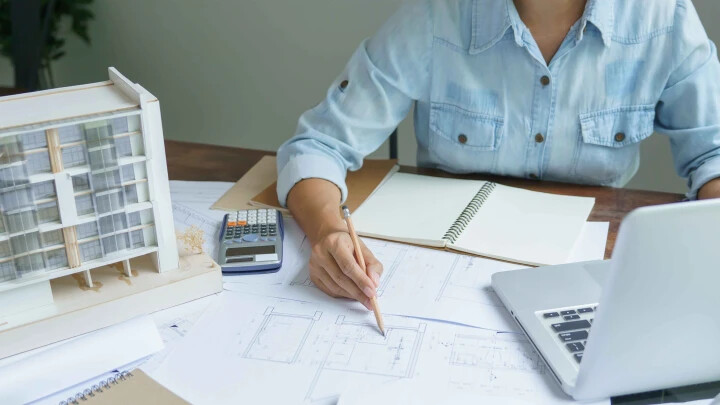
Design and Build (D&B) is a way of delivering a construction project in which a single contractor is responsible for both the design and the construction.
A process innovation that shortens the preparation phase and speeds up delivery
The contracting authority does not prepare detailed design documentation. Instead, it defines the functional and performance requirements to be met. Unlike the traditional “design, tender, build” model, D&B brings the designer, technology suppliers and construction work together into one accountable team, which is responsible for the result in technical, time and financial terms. In energy projects, such as rooftop PV plants, systems combined with energy storage and energy management, or comprehensive renovations of public buildings, D&B is a process innovation that shortens investment preparation, reduces variations (change orders) and clearly defines responsibilities.
The method is based on an organisational and contractual model of project management. Its basis is a single contract between the investor and the D&B contractor, a brief set out as technical and performance parameters, and one delivery team that covers design, construction and technology. It usually includes coordinating the engineering work, including the building permit procedure and communication with the distribution system operator. In energy projects, the model can be extended to include a guaranteed energy outcome, such as the installed capacity of a PV plant, annual electricity generation or the energy savings achieved. Digital tools are often used to coordinate design documentation and manage construction.
The contractor takes full responsibility
Typical features of projects delivered through D&B are a fixed or target price, a firmly defined construction schedule and the contractor’s full responsibility for design documentation at all stages, including as-built documentation.
As the coordinator, the contractor is expected to obtain the necessary permits, secure the connection to the distribution grid, and arrange site inspection meetings and technical supervision. In energy projects, the model leads in practice to fewer variations than the traditional model and gives the contractor greater responsibility for the functionality of the whole system.
Limitations of the Innovation
The main limitations and barriers include the conservative approach of public procurement, contracting authorities’ fears of losing control over the project and a lack of experience in preparing a good performance-based brief. The method places higher demands on defining the required result precisely and on expert technical and legal oversight. One risk is a brief that is too general, which can lead to an undersized or suboptimal solution, or to bidders including a higher risk premium in their price. For D&B to succeed, it is therefore essential to prepare the tender documentation carefully and to set clear target parameters for the project.
Prepared by ICOK, 2026